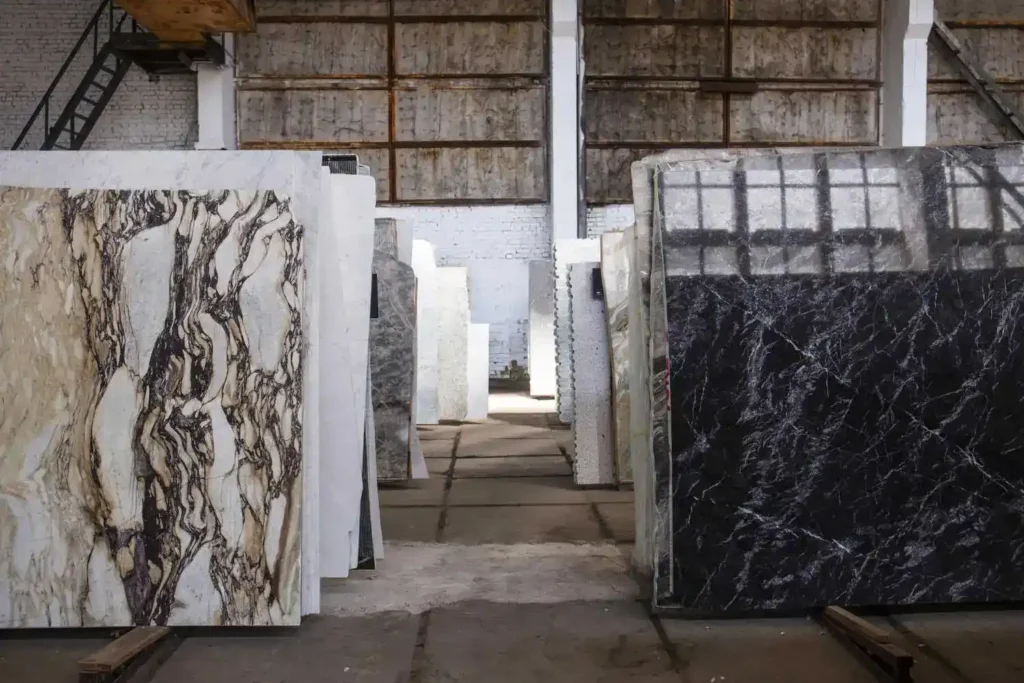
Walking into a stone warehouse for the first time can feel like a museum where everything is heavy, expensive, and gorgeous. The trick is to slow down and make the slab “prove itself” in the lighting and conditions your space actually has. This choose-stone-slab guide will help you identify what matters most (veining, finish, and lighting) so you leave with a slab you’ll still love after the installation.
At Paragon Exotic Stones, you can view hundreds of options in one place, from marble and granite to quartzite and quartz, then get support choosing the right fit for your project.
Start With the Intended Use of the Stone Slab
Before focusing on veining or surface appearance, it is essential to clearly define how and where the stone will be used.
- Installation area: Kitchen countertops, islands, vanity tops, backsplashes, fireplace surrounds, tabletops, and flooring each require different durability and maintenance considerations.
- Usage intensity: Daily cooking, family use, or short-term rental environments place different demands on the material.
- Maintenance expectations: Some stone surfaces require routine sealing and careful daily cleaning.
- Design objective: Decide whether the slab should serve as a visual focal point or a consistent, understated background.
Paragon’s selection process prioritizes aligning the stone with the functional and structural requirements of the project, not just its initial visual appeal. This approach supports better performance, longevity, and overall satisfaction with the final installation.
Choose Stone Slab Like A Pro: Read the Veining
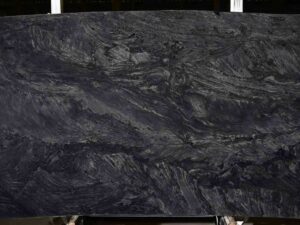
Veining is the personality of the slab. It defines both the visual impact of a slab and how seams and layouts will appear after installation.
- Linear veining: creates movement and suits modern, elongated spaces.
- Soft or cloudy movement: is more forgiving with seams and works well in busy kitchens.
- High-contrast veining: makes a strong statement but can overwhelm smaller areas.
Plan carefully for veins that end abruptly or fall near sink and cooktop cutouts, as these areas are removed during fabrication. Always review the full slab face to anticipate seam and cutout placement.
Finish Matters More Than People Admit
Finish changes how stone looks, how it feels, and how it behaves day-to-day. If you ignore finishing, you can accidentally buy the “high-maintenance version” of the same aesthetic.
Type of Finish |
Look |
Best For |
Heads-up |
Polished |
Crisp, reflective, high-contrast veining |
Most kitchens and statement islands |
Shows reflections and sometimes smudges more |
Honed (matte/satin) |
Softer, more muted, modern-organic vibe |
Contemporary or minimalist interiors, low-glare spaces |
Can show oils or fingerprints more on some materials |
Leathered |
Textured, dimensional, and hides a lot of daily mess |
Busy kitchens, rustic-modern spaces, and tactile design lovers |
Texture can trap crumbs if the profile isn’t planned well |
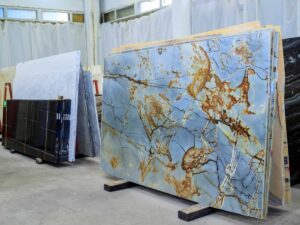
In Paragon’s warehouse-style showroom, you’ll often find the same stone family available in different finishes. Use that to your advantage before you commit.
Lighting Tips That Prevent Costly Mistakes
Stone surfaces can appear very different depending on lighting conditions. A slab that looks warm in a showroom may appear cooler or flatter once installed at home.
- View the slab under multiple lighting types: bright overhead lighting, softer ambient light, and directional light (a phone flashlight works well).
- Step back 6-10 feet to evaluate how the stone reads from normal viewing distance.
Pay close attention to undertones, how strongly the veining stands out, and how reflective the surface appears. Polished finishes tend to amplify light, while honed or leathered finishes reduce glare. When choosing between similar slabs, lighting differences often make the final decision.
Natural Stone Slab Selection: What to Inspect Up Close?
This is the part where you stop admiring and start evaluating. A slab is a natural material; variation is normal. Your job is to spot what’s charming vs. what will bug you forever.
Inspect for:
- Fissures vs. cracks: Some stones have natural fissures. They’re not always a problem, but they should be disclosed and planned for.
- Pitting and texture: Especially in marble and some quartzites, decide if you love it or hate it now.
- Fill spots/resin areas: Common in natural stone. Ask how it may appear after fabrication and sealing.
- Edge and corner integrity: Chips at slab corners may not matter if that section won’t be used, but you should know.
Paragon emphasizes transparency and customer guidance as part of its service approach, so don’t be shy about asking what you’re seeing and how it typically performs.
Countertop Slab Buying Guide: Match the Stone to How You Live
Choosing the right stone is about performance as much as appearance.
- Marble: delivers classic luxury and dramatic veining but requires more attentive daily care.
- Quartzite: offers natural beauty with strong durability, though it typically requires sealing and professional handling due to its weight. When selecting a quartzite slab, consistency in pattern and lighting appearance are key considerations.
- Granite: provides wide color variation and long-term durability, making it well-suited for high-use spaces.
- Quartz: offers controlled patterning and low maintenance, ideal for those seeking consistency.
Paragon’s extensive in-stock inventory across granite, marble, quartzite, and quartz allows buyers to compare materials efficiently and select the best fit for their project.
Stone Slab Showroom Tips: Make the Visit Efficient
A productive showroom visit starts with preparation and clear priorities.
- Bring photos or samples of cabinetry, flooring, backsplash, and paint colors.
- Define must-haves in advance, such as veining style, base color, and finish.
- Limit your selection to 3–5 slabs to avoid decision fatigue.
- Review lead times and delivery options; Paragon supports efficient turnaround through its warehouse and delivery capabilities.
With an extensive in-stock selection and hundreds of available varieties, an intentional approach leads to faster, more confident decisions.
Key Practical Considerations Before Final Selection
Visual appeal alone is not enough, and technical planning is essential.
- Confirm slab size and thickness, especially for islands or waterfall edges.
- Review seam placement to manage visibility and flow.
- Plan cutouts carefully to preserve key visual features.
- Ensure structural support is adequate, as stone installations require professional handling.
Proper planning and expert installation are critical to achieving long-term performance and a high-quality finish.
Why Buyers Choose Paragon Exotic?
Selecting the right stone requires both variety and expert guidance.
Paragon Exotic Stones brings over 20 years of experience, offering a large warehouse and showroom, a broad in-stock selection across major stone categories, globally sourced materials, and a service approach focused on transparency, quality, and reliable turnaround.
The result is a streamlined selection process that helps buyers move from uncertainty to confident decision-making.
Your Slab, Your Space, Done Right
Choosing stone shouldn’t be a gamble. When you evaluate veining with layout in mind, pick a finish that fits your real life, and test the slab under lighting that resembles your home, you stop guessing and start deciding. If you want hands-on guidance and a wide selection of exotic stone slabs in one place, visit Paragon Exotic’s warehouse and showroom, compare options side by side, and request a quote when you’re ready.
FAQs
How many slabs should I consider before I decide?
Try to narrow it down to 3–5 finalists. More than that, and you’ll start forgetting what you liked and why.
What affects the cost of an exotic stone slab project?
Cost depends on the stone type and rarity, slab size and thickness, finish, cut complexity (edges, cutouts), and logistics like delivery and installation requirements. Project scope (island, waterfall edges, backsplash) also changes fabrication needs.
Should I choose a polished or honed finish for a kitchen?
Polished is great if you want high contrast and a brighter look, while honed is better if you prefer low glare and a softer aesthetic. The best choice depends on your lighting, how much texture you like, and how you use your kitchen every day.
Is quartzite a good option if I want a natural look but better durability?
Quartzite is popular because it offers a natural stone appearance with strong performance, but it still typically needs sealing and proper care. It’s also heavy, so professional handling and installation planning matter.
What should I bring to a stone slab showroom visit?
Bring cabinet and flooring photos, paint samples (or a close match), and measurements or a basic layout. It also helps to know whether you’re choosing a countertop, vanity, backsplash, or another application area.