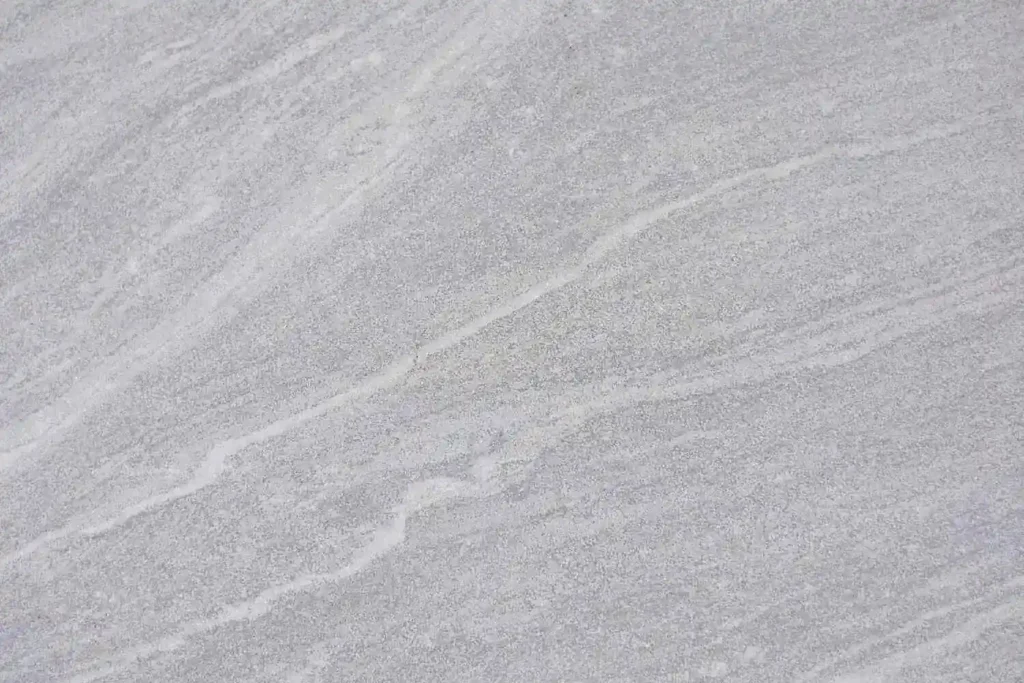
Quartzite is one of the most beautiful natural stones you can choose for kitchen countertops. It has great hardness, strength, and a classic look. But like all natural stones, it needs the right care to keep looking great and to protect it. If you are new to owning quartzite or want to improve how you take care of it, this guide will show you everything you should do, from everyday cleaning to getting it professionally sealed.
Understanding Your Quartzite Countertops
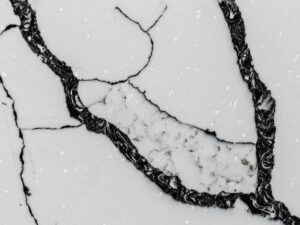
Before we talk about how to take care of your quartzite, it’s good to know what makes it special. Quartzite is formed from natural processes involving high heat and pressure, which creates a strong and dense stone, similar in hardness to granite. Even with its toughness, quartzite can still absorb liquids because it has tiny holes throughout. This is why sealing it is important to prevent stains and water damage.
The natural beauty of quartzite, complete with its lovely patterns and neutral colors, can fit well with any kitchen style. However, to keep it looking good over time, you need to give it regular care.
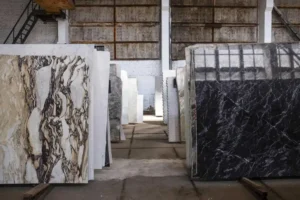
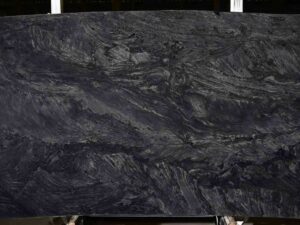
Looking for quartzite that matches your style and lifestyle? Explore our extensive quartzite slab collection and let our team guide you to the perfect choice
Daily Cleaning: The Key to Quartzite Care
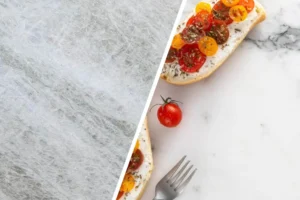
Regular cleaning is the most crucial part of taking care of your quartzite. The best way to clean quartzite is really easy. Just use mild dish soap and warm water. This mixture is gentle, effective, and something you probably already have at home.
How to Clean Quartzite Daily:
Start by clearing off your countertops of any items like utensil holders, crumbs, and other things that build up during the day. After that, make your cleaning mix by putting a few drops of mild dish soap in warm water in a spray bottle.
Get your soft cloth or non-scratch sponge damp, but make sure to squeeze out any extra water. Since quartzite can soak up water, too much can lead to water spots or damage over time. Use the soap solution to gently wipe the entire surface with circular motions, especially around the sink and stove, where spills often happen.
Once you have wiped everything down, take a clean, damp cloth to remove any soap left on the surface, making sure to wring it out again. Finally, dry your countertops completely with a soft cloth that doesn’t shed lint. This step is really important to avoid water marks and to keep that lovely shine.
Immediate Spill Response:
One of the best ways to take care of quartzite is to clean up spills right away. Whether it’s juice, wine, oil, or any other liquid, acting quickly stops it from soaking into the stone and leaving marks that don’t go away. Keep a soft cloth handy by your countertops so you can grab it easily whenever there’s a spill.
Preventing Stains on Quartzite
Even though quartzite doesn’t stain as easily as many other natural stones, it’s always smarter to stop stains before they happen. Knowing what can ruin your countertops helps you keep them looking good for a long time.
Avoid Acidic Substances:
Acidic cleaners can harm the protective coating on your quartzite countertops. Never use vinegar, lemon juice, bleach, or cleaning products that have ammonia in them. These acidic cleaners can scratch the surface, creating dull spots and weakening the protective layer. Use pH-neutral cleaners made for natural stone, or stick with good old soap and water.
Protect from Sharp Objects:
Even though quartzite is really tough, sharp tools can still scratch and hurt its surface. Always use cutting boards when you’re chopping food, and don’t place knives directly on the countertop. Over time, these scratches can damage the protective seal, making the stone more likely to stain.
Heat Protection:
One big benefit of quartzite is that it is very heat-resistant. Unlike some other countertop materials, you can put hot pots and pans right on quartzite without any worries. Still, it’s a good idea to use hot pads or trivets because the sealant is more sensitive to heat than the stone itself.
If you’re unsure which cleaner or sealing routine is right for your quartzite, contact our New Jersey showroom and speak with our experienced stone specialists
Sealing: Your Quartzite’s Best Defense
Sealing is another important part of taking care of quartzite. The sealing process fills tiny holes in the stone, creating a layer that stops liquids and dirt from getting through. This is what makes quartzite a stain-resistant and durable countertop material instead of just a porous stone.
Quartzite Sealing Frequency:
Most experts say you should reseal quartzite at least once a year. However, how often you need to do it can change based on how much you use your kitchen. Busy families who cook a lot and have frequent guests may need to reseal every six to nine months. On the other hand, if you don’t use the kitchen much, you might only need to do it every 18 months.
To see if your quartzite needs resealing, try the water droplet test. Just drop a little bit of water on the countertop. If it stays in little beads and rolls off, the seal is still good. If the water soaks into the stone, it’s time for resealing.
Professional vs. DIY Sealing:
Even though you can use DIY sealing products, hiring professionals for sealing gives you better coverage and longer-lasting outcomes. Expert installers have special commercial-grade sealers and know how to apply them properly. We suggest talking to stone experts such as Paragon Exotic Stones to find the best sealing solution for your quartzite slabs.
Ready to protect your quartzite countertops? Reach out to Paragon Exotic Stones for personalized care recommendations and professional sealing support
What to Avoid When Cleaning Quartzite
Knowing what not to do is just as important as learning the right care methods. Don’t use rough scrubbers, steel wool, or strong chemical cleaners on your quartzite countertops. Rough materials can scratch the surface and ruin the sealant, while strong chemicals can harm the stone’s surface.
Try to avoid disinfecting wipes too, because their chemicals can differ and may have ingredients that could harm your sealant. If you want to disinfect, use gentle soap and water or a stone cleaner that is pH-neutral.
Addressing Existing Stains
If you do see a stain despite your best care, don’t panic. Depending on what type of stain it is and how long it has been there, you might find some solutions to help. For stains from food or wine, a paste made of baking soda and water can often remove the stain. Put the paste on the stain, cover it with plastic wrap, and let it sit for 24 to 48 hours before gently scraping it off and rinsing it well.
If you have tough stains that don’t go away with home methods, professional stone restoration experts can assess and fix the problem without harming your countertops.
Conclusion: Investing in Long-Term Beauty
Quartzite countertops are a good choice for both looks and usefulness. With regular daily maintenance, sealing when needed, and careful use, your quartzite can keep looking great and stay protected for many years. The trick is to develop easy habits. Clean up spills right away, wash daily with gentle soap and water, steer clear of acidic cleaners, and reseal once a year.
At Paragon Exotic Stones, we are dedicated to helping you take care of your quartzite investment. Whether you need professional sealing, tips on caring for your stone, or want to check out our quartzite options for your next project, our team is ready to assist you. Reach out to us today to find out more about maintaining your natural stone countertops or to explore our wide selection of high-quality quartzite slabs.